
In recent years I’ve noticed more retailers dabbling in the photo-framing industry such as B&Q, Homebase, The Range, Sainsbury, etc, selling a wide variety of cheap frames that look quite appealing, especially to those on a budget. However, don’t let their marketing fool you into a false sense of security.
Cheap photo frames are store-bought, and poorly assembled using cheap and unsustainable plastic materials. Most big retailers rarely buy from local U.K. producers, instead they opt to buy their frames from faraway countries.
Furthermore, cheap store-bought photo frames come in standard sizes such as 8” X 10”, 11” X 17”, 24” X 36”, etc., meaning you’re limited in what art you can frame.
Most store-bought photo frames require the customer to add decorative backing (at their own expense) to accommodate a frame that is too large, and in some cases, the customer has no other option but to trim down their artwork to fit a frame that might be too small.


Cheap photo frames are almost always generic-looking and feel less personal. Moreover, customers will often struggle to find a frame that suits their interior decor.
Store-bought photo frames are often fitted with an acidic backing, meaning the frame will not combat the corrosive chemicals found in most prints and pieces of artwork which in turn means your artwork will degrade faster than frames with no acid backing.
Cheap photo frames are usually assembled quickly, on factory production lines, where there’s very little attention paid to detail. For example, you may find the corners of cheap frames don’t line up properly.

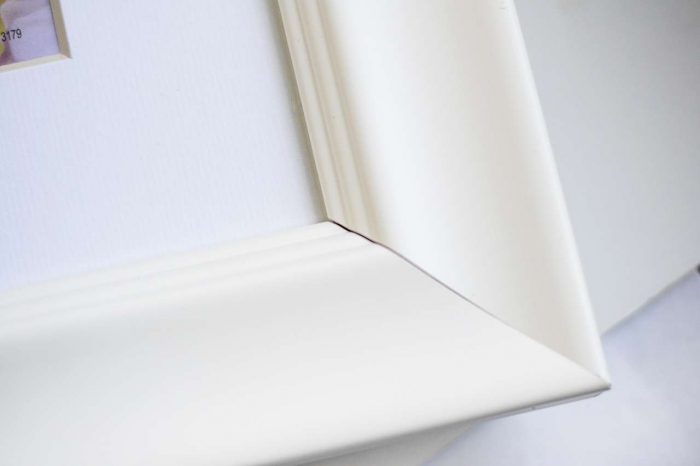
As mentioned, cheap photo frames are often mass-produced overseas and are made with no buyer in mind to sit on a shelf and gather dust. Furthermore, they can crack easily and are easily damaged during the fitting and hanging process.
The materials of cheap store-bought frames are often sub-par too for example the wrapping material on some wood frames can have creases and is thin. Sometimes you might even have issues discerning what material the frame is made of and may have to assume it’s plastic.
In addition, the rails may snap in half with the slightest amount of pressure and turn to dust by simply pressing the frame rail against a flat surface. Store-bought frames can also be unattractive — blemishes and scratches on the frame can cause them to look cheap or damaged.
Cheap photo frames are fitted with a cheap plastic glaze that does nothing to protect your photos or artwork. For example, they may have gaps around the inside front allowing dust and other pollutants to enter the frame damaging your print. Moreover, plastic glazes do not protect your photos or artwork from environmental pollutants and sun damage either.
So, why should you put your hard-earned cash into a professional photo framing company?
When choosing a custom framer you can have a frame made to fit the exact measurements of your photo or prized artwork.
With a custom framing service, you’ve more choices, for example, every part of your frame is cut and designed to your specifications. You get to choose the colour, backing, style, texture, and much more.

Most professional framers (predominantly those who work in the photographic industry) will not use acidic backing, meaning your photos and artwork will be preserved within your frame for up to 50-100 years.
Custom framers pay attention to detail meaning your frame will be built (by hand) to the highest standards and they’ll have a thorough corner moulding process that ensures cracks won’t occur.
Professional framers rarely use plastic. For example, most of the frames I sell are made of FSC-Approved wood or reclaimed wood that is cleaned, restored and reworked to the customer’s requirements.

Wood is one of the longest-used materials on many production lines, including picture frames and that’s because it’s feature-rich. Every piece of processed wood has a rich texture and is very sturdy, which translates into it being a great material to invest in for the long-term protection and presentation of any print.
Most professional framers will offer a variety of glazes to protect your artwork or make it stand out more to onlookers such as:
- Crystal acrylic which is more durable and shatter-resistant than glass.
- Anti-reflective acrylic filters out 97% of UV light making it an ideal glaze to protect photos from UV damage and counter reflections too.
- Museum Glass and Optium Museum Acrylic offers unrivalled levels of protection against glares, reflections, shattering, abrasions, and static.
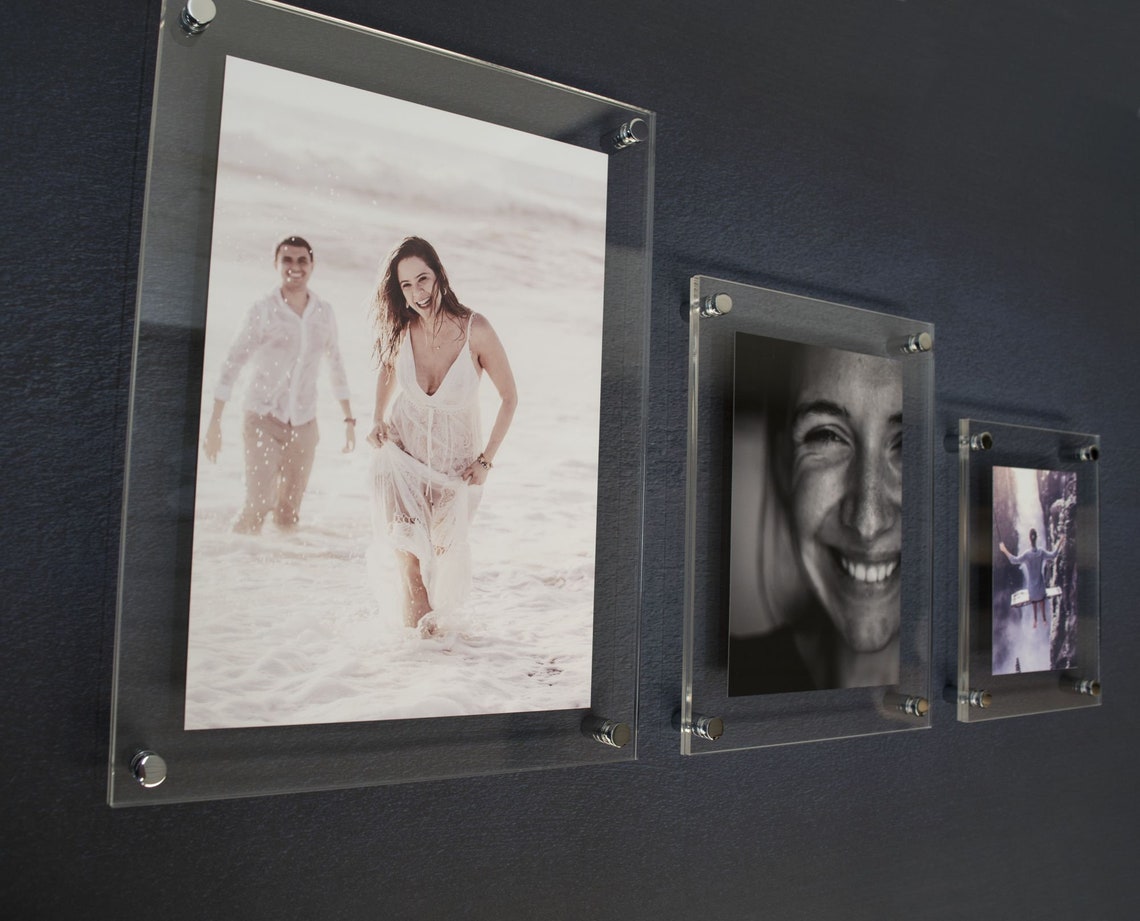
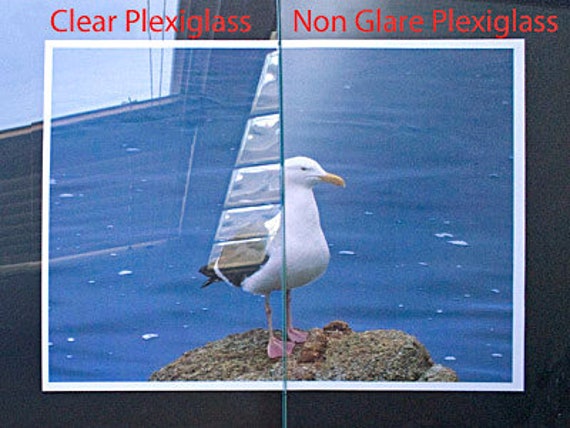

It’s also worth noting that most professional framers are photographers themselves and use a wide variety of frame templates to fit and showcase your photos or artwork. Meaning your image/artwork will be presented professionally.
Custom framers offer a wide variety of warranties, for example, all my frames are covered for five years. Meaning, should any damage occur to your frame that is not your fault, your frame will be repaired or re-made at no extra cost.

Most custom framers adopt a sustainable working practice, for example, I use recycled materials where and when possible, FSC-approved wood, and all my packaging is minimal and 100% recycled and 99% recyclable.
For every frame that is sold, one tree is planted back into the ground preserving our natural woodland for years to come.
Furthermore, I use sustainable eco-friendly delivery companies such as HiVED, DPD, Royal Mail and Paack.
I hope you’ve found this article useful, if you have any questions please don’t hesitate to contact me below.

J. J. Williamson | The Norfolk Photographer
Jon Williamson is an ethical Norfolk-based award-winning photographic journalist with over fifteen years of experience in the photography industry, specialising in portraiture, boudoir, flora, landscapes, prints, frames, etc. For more information, please email the Norfolk Photographer below. A Member of the Guild of Photographers.